

Hoarder cleaning
Need a cleaner? Hear back within the hour.
Calm, discreet help to clear and clean a home affected by hoarding. Tell us about the home and one verified local specialist gets in touch.
- Licence checked and insured
- Verified by Home Ready Cleaning
- Matched with a hoarding clean-up specialist
From 500+ reviews
Checked before they get your job
- Back within the hourA local cleaner gets back to you within the hour.
- Licence checkedWe check each business's licence before it gets jobs.
- InsuredEvery business we pass jobs to is insured.
- Verified by Home Ready CleaningLook for the badge. Only verified businesses get your job.
What hoarder cleaning typically covers
Every business works its own way, and the plan is agreed after a walk-through or photos. These are the jobs most hoarding clean-up lists cover.
Sorting and clearing
- A walk-through to agree the plan first
- Belongings sorted room by room
- Keep, donate, recycle and throw away piles
- Documents, photos and valuables set aside
- Exits and walkways cleared early
- Rubbish taken away for recycling or the tip
Kitchen
- Spoiled food and packaging cleared
- Benches, cupboard fronts and shelves cleaned
- Stovetop, sink and appliances cleaned
- Hard surfaces disinfected once clean
- Floor uncovered, scrubbed and mopped
Bathroom and laundry
- Toilet, shower and basin cleaned
- Tiles, taps and fittings scrubbed
- Surfaces disinfected once clean
- Laundry tub and floor cleaned
Floors, walls and odour
- Floors vacuumed, scrubbed and mopped
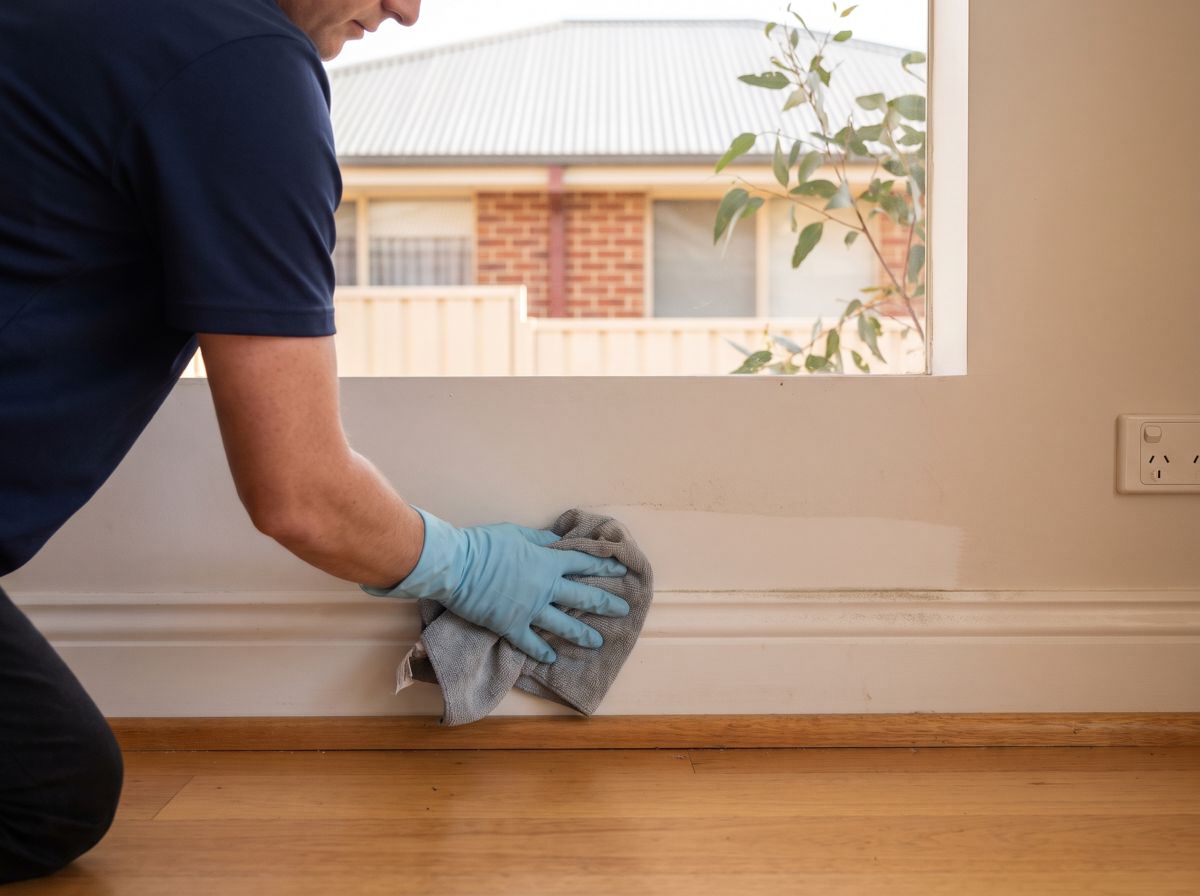
- Walls, doors and skirting boards wiped
- Windows and tracks cleaned once reachable
- Odour treated at its source, not covered up
- A final walk-through before handover
Sometimes included
On some lists and not others. Ask when they look at the home.
- Skip bins in the quoted price
- Usable items taken to charity
- Help setting up storage afterwards
- Working alongside family or a support worker
- A written report for a landlord or insurer
Often priced separately
Typical price range for each.
- Skip bin, each, by size$150 to $900
- Deep clean after clearing, where not included$500 to $2,000
- Pest treatment$300 to $900
- Biohazard handling, such as animal waste$200 to $5,000
Not part of a hoarder clean
These are usually separate jobs with their own trades or specialists.
- Building repairs and rebuilding
- Replacing carpet and flooring
- Widespread mould that needs a specialist
- Sewage and drug residue clean-ups
- Cleaning after a death, accident or crime
What kind of clean does the home need?
Government health advice is that hoarding can lead to squalor, which means living in an unsanitary environment. Each home needs a different mix of sorting and cleaning. Share what you can about the home, and the specialist works out the rest at the walk-through.
Mostly belongings
Large amounts of belongings, but the home is still fairly clean. The work is mostly sorting and clearing with the person who lives there, then a clean of each room once it is clear.
Mostly unsanitary conditions
Fewer belongings, but a build-up of waste, dirt or pests. Government health advice describes squalor as living in an unsanitary environment. The work is mostly cleaning and disinfecting, and often pest treatment.
Both together
Clutter together with waste, dirt or pests. Government health advice is that hoarding can be a fire risk, attract insects and rodents and cause trips and falls. It is usually the biggest job.
What is different about hoarder cleaning, and when it is worth it
How a hoarder clean-up differs from a deep clean, when it is worth booking, what it does not fix and how to choose between the types.
How it differs from a deep clean
A deep clean works around your furniture and is usually a set price by bedrooms and bathrooms. It leaves out hoarding clean-ups, and you clear benches and floors so the cleaner is cleaning, not tidying. A hoarder clean-up does the sorting and clearing, with the person who lives there. A team is usually on site for a day or more, where a deep clean of three bedrooms and two bathrooms takes about 4 to 12 hours of cleaner time.
When it is worth booking
It is usually worth booking when the home matches how Fire and Rescue NSW describes hoarding or squalor: clutter that restricts safe access to rooms and stops them being used as intended, or a build-up of waste, dirt, pests or disrepair that leaves the home unsafe or unsanitary. Healthdirect says hoarding can be a fire risk, attract insects and rodents, and cause trips and falls.
What it usually does not fix
A clear-out can make the home safer, but Fire and Rescue NSW says sudden or unplanned removal of items does not always result in sustained risk reduction, and that hoarding and squalor often need long-term, coordinated support. For older people, the hoarding and squalor support listed by My Aged Care includes links to specialist support services. A clean-up also does not cover building repairs, which are work for licensed tradespeople.
How to choose between the types
Where it is mostly belongings, the job is mostly sorting and removal, and careful sorting to find documents, photos and valuables is most of the labour cost. Where waste, dirt or pests have built up, the job brings in cleaning, sanitising, pest treatment and sometimes biohazard handling, so mention it when you book. Where it is both, it is usually the biggest job, with the largest crew and the most days.
Estimated hoarder cleaning prices
Every home is different, so the price is set after a walk-through, or sometimes from photos or a video. Light means rooms can still be used, moderate means some rooms cannot be used as intended, and severe means rooms or exits are blocked. Every business sets its own price.
| The job | Usual time | Estimated price |
|---|---|---|
| One room | About a day | $350 to $2,500 |
| Light clutter, whole home | 1 to 2 days | $1,000 to $4,000 |
| Moderate, whole home | 2 to 4 days | $1,500 to $8,000 |
| Severe, whole home | 4 to 10 days or more | $2,000 to $25,000 |
Estimates only. Times are days on site for a team, usually two to four people and more for a severe home. Skips, pest treatment and biohazard handling can cost extra. A walk-through sets the real price, and some jobs cost more than the top of these ranges. Estimates checked on 13 November 2026.
What moves the price
- How much there is
- The amount of belongings and rubbish sets the price more than floor area. Crews often measure the job in skips or truckloads, so a small home packed full can cost more than a larger one.
- Sorting what stays
- Going through belongings with care to find documents, photos and valuables takes time, and it is most of the labour cost.
- Skips and disposal
- Disposal is often quoted on top of labour. Waste is charged by weight at the tip, so a home that needs several skips costs more, and sorted waste can cost less.
- Pests, waste and mould
- Pest treatment, animal or human waste and mould each add work and are often priced separately. Pest treatment is usually done before or alongside the clean.
- Access
- Stairs, or an apartment with a service lift to book and set working hours, add time to the job.
- Team size and days
- Most businesses quote a set price after the walk-through, and some charge by the hour for each worker. A severe home can need four or more workers over several days.
When you may not need hoarder cleaning
Three cases where a hoarder clean-up is not the right job, or not the right step yet.
The person has not agreed to it
If you are helping someone affected by hoarding, Healthdirect says it is usually not a good idea to clear the rubbish away. It will not solve the problem, and the clutter often builds up quickly again. Encourage them to get help, offer support, and plan any clean-up with them.
The problem is sewage, needles or drug residue
If there is little clutter and the problem is sewage, used needles or drug residue, book biohazard cleaning instead. Each needs different equipment and methods, and drug residue work is tested before and after cleaning to check the result.
Someone has died in the home
Cleaning after a death at home is trauma cleaning, a separate service. Clearing a deceased estate is its own job too, and trauma cleaners often price it separately, when they see the property.
Mould, carpet and end of lease cleaning with a hoarder clean-up
When these jobs are done alongside a clean-up, and when each is booked on its own.
Mould removal
Many hoarder specialists deal with mould or arrange it, and it is often priced separately. Widespread mould is usually a job for a mould specialist. Full mould remediation covers mould across several rooms or in plasterboard, timber or carpet. The mould cleaner needs furniture and stored items moved away from the mouldy areas, so book it for after the clear-out.
Carpet cleaning
Once the floor is clear, check the carpet. Carpet covered for years often needs replacing, and new floors are a separate service. Where it can be kept, a carpet steam clean is an add-on to a deep clean, priced by the room, and an empty home is usually quicker to clean. Pet urine and odour are usually charged on top, and bad cases can need new underlay.
Carpet cleaningEnd of lease cleaning
If a renter is moving out, an end of lease clean is priced for an empty home. Rubbish removal and items left behind are not part of it, and cleaners need every item, including rubbish, moved out first, so the clear-out comes before it. Send the end of lease cleaner the agent's vacate checklist and the entry condition report.
End of lease cleaningWhat to expect on the day
How a hoarding clean-up usually runs, so the person who lives there and their family know what will happen.
A look first
The specialist walks through the home, or looks at photos or a video, and agrees the plan before any work starts.
Who comes
Usually a team of two or three for one room or a light job, and four or more for a severe one.
Safety first
Often the plan starts with clearing exits and walkways and getting the kitchen and bathroom working again, before the rest of the home.
Sorting with you
Belongings are sorted room by room into keep, donate, recycle and throw away. Documents, photos and valuables are set aside, and anything uncertain is held for you to check.
In stages
Larger homes are usually done over several days or visits. Finishing one room fully first gives a usable space early on.
The clean
Once a room is clear, it is cleaned and disinfected and odour is treated at its source. Carpet that has been covered for years often needs replacing rather than cleaning.
Six things that can help before the clean-up
Go at a pace that suits the person who lives there. These steps keep everyone safer and help the specialist plan.
- Agree the plan togetherGovernment health advice is that throwing items away can be distressing for someone with hoarding disorder. Involve the person who lives there in the plan before the day.
- Make it safer nowGovernment health advice is to install smoke alarms and test them every month, know more than one safe way out of every room, and keep curtains and bedding away from portable heaters.
- List what to look forNote any papers, keepsakes or valuables that must be found, such as wills, passports, photos or cash, so the team can set them aside.
- Mention pets and hazardsTell the specialist about pets, signs of mice or rats, needles or anything else unsafe, so they can plan for pest treatment and any hazards.
- Share photos or a videoPhotos or a short video help the specialist plan the team, skips and days, and some can price from them. Take them only where it is safe to walk.
- Plan skip space and accessAsk where a skip bin can go and whether it needs a permit. In an apartment, check the building rules and book the service lift.
What to ask a hoarder cleaning specialist before you book
Every business works its own way. These questions show what the price covers and how the work will run.
- Is the clean after clearing in the price?Some businesses include the clean in their process, and others price it separately. Ask before you compare prices, as a lower price can cover less.
- Can family or a support worker help decide what stays?Working alongside family or a support worker is on some lists and not others. Agree who will be part of the decisions before the day.
- What happens with pets?Clearing usually waits until any animals are safely placed. Tell the specialist about pets and where they can stay on the day.
- Can you give a written report for a landlord or insurer?Some specialists give written reports for your records, which can help with a claim. It is on some lists and not others.
- In an apartment, will the building's rules add time?Apartment jobs can need a booked service lift and set working hours, which adds time.
- Will usable items go to charity?Some businesses take usable items to charity, and some help set up practical storage afterwards. Both are on some lists and not others.
Hoarder cleaning: your questions answered
Plain answers to the questions people ask most, whether it is your home or the home of someone you care about.
How much does hoarder cleaning cost?
As a wide estimate, one room runs $350 to $2,500, a whole home with moderate clutter $1,500 to $8,000, and a severe whole-home clean-up $2,000 to $25,000. Skips, pest treatment and biohazard handling can cost extra. Every home is different, so a walk-through or photos sets the price.What is the difference between hoarding and squalor?
Government health advice describes hoarding disorder as finding it very hard to get rid of things, even if they do not have much value, so belongings and rubbish build up and clutter living areas. Squalor means living in an unsanitary environment, and hoarding disorder can lead to it. Animal hoarding can easily lead to squalor, as animal food and waste pile up quickly.Is hoarding a mental health condition?
Yes. Government health advice is that hoarding disorder is a recognised mental illness, and that people with it often feel a lot of shame about their situation. If you think you or a family member may have it, health advice is to talk to a doctor, who can refer you to a psychologist with experience in hoarding.Will a clean-up fix the problem?
It can make the home safer and easier to live in. Health advice is that clearing the rubbish away does not solve the problem, and the clutter often builds up again. Cognitive behavioural therapy is the recommended treatment, and helping someone with hoarding disorder takes patience and understanding.Will everything be thrown out?
No. Most specialists sort belongings with the person, agree what stays, and set aside documents, photos and valuables. Government health advice is that getting rid of possessions is upsetting for people with hoarding disorder, so the work usually goes at a pace the person can manage.How long does it take?
One room usually takes about a day. A whole home with light clutter takes 1 to 2 days, a moderate one 2 to 4 days, and a severe one 4 to 10 days or more, often in stages. Times are for a team, usually of two to four people.Is hoarding a fire risk?
Yes. Government health advice is that hoarding can be a fire risk and can make it hard to move around the home, and that piles of things can collapse and trap someone. Its fire safety advice is to install smoke alarms and test them every month, know more than one safe way out of every room, keep bedding and curtains away from portable heaters, and not overload power boards.Is there help with the cost?
For older people, My Aged Care lists hoarding and squalor support, such as care planning and one-off clean-ups, through the Commonwealth Home Support Program. An aged care assessor decides who is eligible. You can apply online or by phone.Can I book a clean-up for a family member?
Yes. Many clean-ups are arranged by family, a support worker or a property manager. Health advice is not to criticise the person, and to encourage them to get help and offer support. Involve them in the plan wherever you can.Do they deal with pests, waste and mould?
Many do, or arrange it. Government advice is that hoarding can attract insects and rodents. Pest treatment is usually booked before or alongside the clean and is often priced separately, and widespread mould is usually a job for a mould specialist.Is it kept private?
Many businesses work discreetly, use unmarked vehicles and keep the details of the job to themselves. Tell them what matters to you when they call.Are the cleaners insured?
Every business we pass jobs to is insured, and we check its licence before it gets jobs. Ask how they handle waste disposal and whether skips are included in the price before work starts.What papers and valuables usually turn up in a clear-out?
They typically include money tucked into books and clothing, superannuation and insurance paperwork, wills, title documents, passports and tax records, as well as photographs. Most specialists set documents, photos and valuables aside as they sort. Before the day, list anything that must be found so the team can set it aside.Is hoarder cleaning the same as biohazard cleaning?
They overlap. A hoarder clean-up is clearing, sorting and cleaning a home affected by hoarding or squalor. Biohazard cleaning is for sewage, used needles and drug residue, and also covers hoarding and squalor where animal or human waste has built up. Handling that waste adds work and is often priced separately, so mention it when you ask for a price.Can the person change their mind about an item?
Most specialists hold anything of uncertain value aside, not in the skip, for the person to check. Agree at the walk-through how and when those items will be checked, and who decides. Fire and Rescue NSW says sudden or unplanned removal of items may cause distress.Can NDIS funding pay for a hoarder clean-up?
The NDIS lists household tasks, including cleaning, as supports when you are not able to do them yourself because of your disability, and funding must be in line with your plan. Ask your plan manager, support coordinator or the NDIS if your plan covers it. Regular NDIS cleaning visits typically include clearing clutter from floors and walkways.Hoarder cleaning by city and town
Pick your city or town to send the job to a local cleaner there.
Deep cleaning in the most searched places
More on deep cleaning
Official sources
Checked on 12 November 2026.
- Healthdirect, Hoarding disorder
- My Aged Care, Hoarding and squalor assistance
- Healthdirect, Fire safety in your home
- Fire and Rescue NSW, Hoarding and squalor fire safety
- NDIS, Supports that are NDIS supports
- NDIS, What are NDIS supports
- Fire Rescue Victoria, Hoarding and environmental neglect
Ready when you are.
Tell us the job once. One verified local cleaner gets back to you within the hour.
Get help with the clean-up →